Research
Research & Articles
Studies, syntheses, and clinical perspectives on cognition, vision, neurodevelopment, and the practice of natural development.
Eye-Tracking Unveils Autism's Distinctive Worldview and Social Focus Shift
Researchers have discovered that children with autism spectrum disorders (ASD) develop distinct attentional preferences compared to typically developing children, focusing more on non-social stimuli
Read More→
A Role of the Parasympathetic Nervous System in Cognitive Training
Vision-based speed of processing (VSOP) training can result in broad cognitive improvements.
Read More→
Cerebral Visual Impairment - What if the Brain Cannot See?
Cortical visual impairment (CVI) is a form of visual impairment that is caused by a brain problem rather than an eye problem.
Read More→
How We Experience and Remember Our Daily Surroundings
A new study uncovered the neural mechanisms behind how we process and memorize everyday events.
Read More→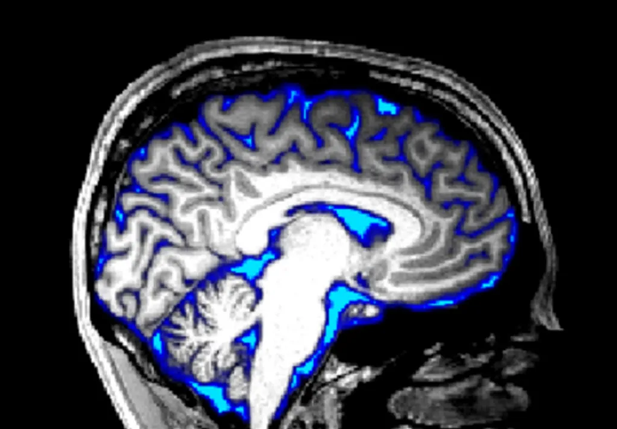
Visual Stimulation Changes Fluid Flow in the Brain
Researchers at Boston University, USA report that the flow of cerebrospinal fluid in the brain is linked to waking brain activity.
Read More→
Vision Therapy for Neurodevelopmental Disorders
Vision problems are a CAUSE of, not a by-product of, many autism symptoms.
Read More→
An updated review about perceptual learning as a treatment for amblyopia
Amblyopia is the most prevalent cause of preventable childhood blindness, with a prevalence of 1-5 %.
Read More→
Scientists Shed More Light on Retina as 'Window to Brain'
Studies Support Use of Brain Glasses to Bring Patients Relief
Read More→
Neurons in Primate Area MSTd Signal Eye Movement Direction Inferred from Dynamic Perspective Cues in Optic Flow
Neurons in Primate Area MSTd Signal Eye Movement Direction Inferred from Dynamic Perspective Cues in Optic Flow.
Read More→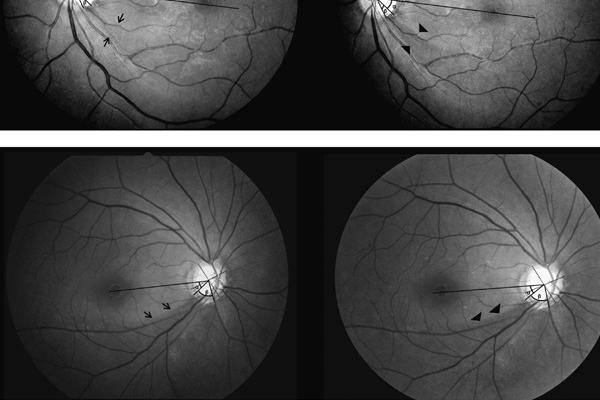
Effects of Misalignments in the Retinal Nerve Fiber Layer Thickness Measurements with Spectral Domain Optical Coherence Tomography
Effects of Misalignments in the Retinal Nerve Fiber Layer Thickness Measurements with Spectral Domain Optical Coherence Tomography
Read More→
At-Home Therapy Reduces Symptoms of Binocular Vision Disorders
Increased screen time has focused the eye care industry's attention on the impact of binocular vision disorders. Our eyes were never intended to spend long periods of time on close work – such as read...
Read More→
Red Light Therapy Could Improve Age-Related Vision Decline
Red Light Therapy Could Improve Age-Related Vision Decline
Read More→
Vision Therapy – Help for the Brain-Eye Connection
Vision, the brain-eye connection, can be improved with practice with vision therapy.
Read More→
Alertness Training Improves Spatial Bias and Functional Ability in Spatial Neglect
A multisite, randomized, double-blinded, controlled trial to examine the effectiveness of a digital health intervention targeting the intrinsic regulation of goal-directed alertness in patients with c...
Read More→